Product casing process
Service
Casing Manufacturing Process
Casing manufacturing is a crucial step in electronic product manufacturing, determining the product's appearance quality, structural strength, and lifespan. It encompasses multiple stages, including material selection, molding, surface treatment, and assembly, and must be closely matched with the internal printed circuit board (PCBA) and product design requirements.
1. Material Selection
The selection of casing materials must consider product positioning, usage scenarios, and performance requirements. Common materials include:
- Plastics: Lightweight, low cost, and easy to mold; suitable for consumer electronics such as mobile phones and tablets.
- Metals: High structural strength, good heat dissipation, and excellent texture; suitable for industrial products and high-end electronic devices.
- Composite Materials: Combining the advantages of multiple materials, possessing excellent impact resistance and corrosion resistance, suitable for various usage scenarios.
2. Molding Process
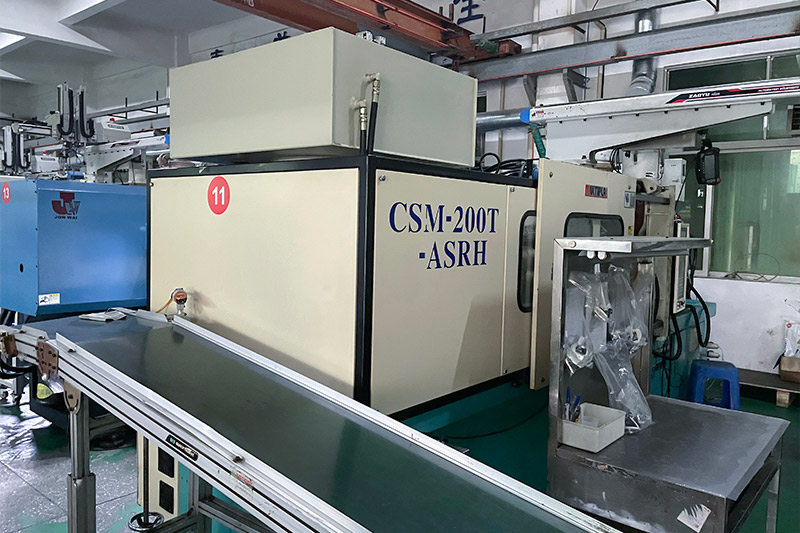
Molding is the core step in casing production, requiring the raw materials to be processed into shapes that meet design requirements. Common processes include:
- Injection Molding: The most widely used process, suitable for plastic casings, offering high production efficiency and standardized product specifications.
- Die casting: Primarily used for metal casings, capable of processing complex shapes while ensuring structural strength.
- 3D printing: Suitable for small-batch production and sample making, offering flexible shape design and short production cycles.
3. Surface Treatment
Surface treatment enhances the appearance, corrosion resistance, and wear resistance of the casing. Common processes include:
- Spray coating: Forms a uniform coating on the surface, allowing for adjustable color and texture, and providing good scratch resistance.
- Anodizing: Primarily used for metal casings, forming a protective film on the surface, resulting in an aesthetically pleasing and durable product.
- Electroplating: Attaches a metal layer to the surface, improving texture and corrosion resistance; commonly used in high-end products.
4. Assembly Process
After the casing is formed and surface treated, it needs to be assembled with internal components such as the PCBA to form a complete product:
- Fixing: Using clips, screws, or adhesives to secure the casing to the internal components, ensuring a firm and secure fit.
- Sealing: For products requiring protection, the casing is sealed to achieve waterproof and dustproof effects.
- Inspection: Checking assembly accuracy, appearance defects, and structural robustness to ensure product quality.