Our company's Quality Assurance System (QAS) is a standardized management system that runs through the entire process of product R&D, procurement, production, testing, and shipping. Its core objectives are to stabilize product quality, reduce defect rates, meet customer needs and compliance requirements, and achieve continuous quality improvement to meet the high precision and reliability requirements of the electronics industry. The system is based on the core principles of "prevention first, process control, total participation, and continuous improvement," covering four dimensions: hardware, processes, personnel, and standards. This ensures that every production link has regulations to follow, standards to check, and records to trace.
I. Core Framework (Four Modules)
The core of our electronics factory quality assurance system consists of four modules: "Quality Planning, Process Control, Testing and Verification, and Continuous Improvement." These modules are interconnected, forming a closed-loop management system to prevent quality loopholes.
I. Core Framework of the System (Four Major Modules) The core of the electronics factory's quality assurance system consists of four major modules: "Quality Planning, Process Control, Testing and Verification, and Continuous Improvement." These modules are interconnected, forming a closed-loop management system to prevent quality loopholes.
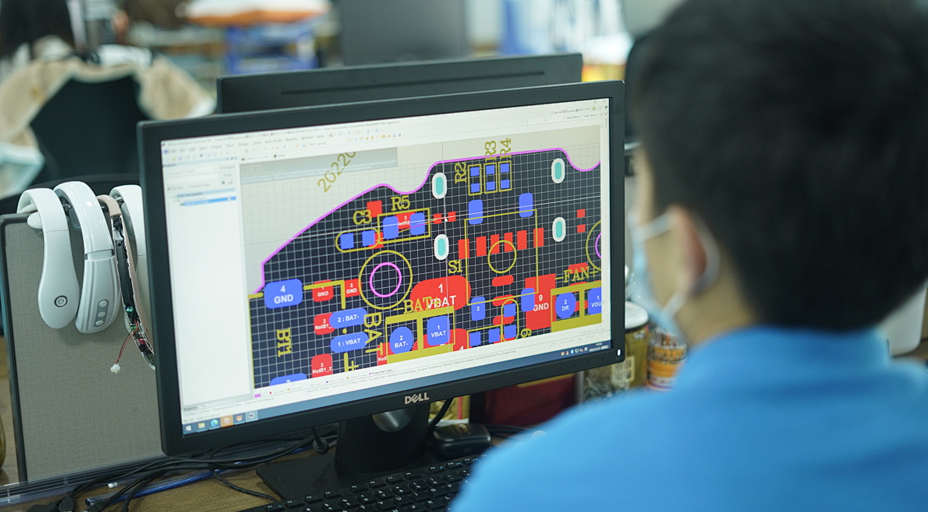 1. Quality Planning (Prevention) Quality planning is the foundation of quality assurance. Its core is to clearly define quality standards in advance, mitigate potential risks, and establish quality red lines for subsequent production stages. Key components include:
• Defining Product Quality Standards: Based on customer needs, industry standards (such as IPC and ISO standards), and product applications, develop specific quality indicators (such as soldering pass rate, defect rate control targets, and performance parameter ranges), and clarify acceptance standards for each stage, including PCBA, components, and finished products.
• Risk Assessment and Prevention: For potential quality problems during production (such as component defects, soldering defects, and circuit failures), identify risk points in advance and develop preventative measures (such as supplier selection, process optimization, and equipment calibration). • Process and Standard Development: Compile comprehensive quality management documents, including Standard Operating Procedures (SOPs), Standard Inspection Procedures (SIPs), equipment operating specifications, and abnormality handling procedures, to ensure that each position has clear guidelines to follow.
2. Process Control (In-Process Control)
Process control is the core of quality assurance, focusing on controlling every node of the entire production process to prevent defective products from flowing into the next process. It covers three key aspects:
• Procurement and Incoming Material Control: Establish a tiered supplier management system, conduct qualification audits of suppliers (e.g., ISO certification, production capacity), and require 100% inspection of incoming materials (referring to incoming material inspection standards) to identify issues such as component model discrepancies, damage, oxidation, and performance abnormalities. Unqualified incoming materials are strictly prohibited from being put into storage.
• Production Process Control: Strictly adhere to Standard Operating Procedures (SOPs) in production, focusing on key processes (e.g., SMT placement, DIP soldering, PCBA assembly), and implement a "three-inspection system" (self-inspection, mutual inspection, and specialized inspection): Only after operator self-inspection is passed can the material be transferred; team mutual inspection confirmation; and specialized inspectors supervise the entire process to ensure that each process meets quality standards; simultaneously, control the production environment (e.g., temperature, humidity, ESD protection) to avoid quality defects caused by environmental factors.
• Equipment and tooling management: Regularly calibrate, maintain and service production equipment (pick-and-place machines, reflow soldering machines, testing instruments) to ensure that the equipment accuracy meets the standards; tooling fixtures need to be inspected regularly to avoid product deviations caused by tooling wear; all equipment and tooling maintenance records are kept and archived for easy traceability.
3. Inspection and Verification (Post-Production Quality Control)
Inspection and verification is the last line of defense against defective products leaving the factory. The core is to confirm product quality meets standards through multi-dimensional testing, mainly including:
• Process Inspection: Inspecting semi-finished products at each process stage (e.g., PCBA soldering inspection, component assembly inspection). Defective products are immediately isolated and marked, and an anomaly handling process is initiated. After rework, they must be re-inspected, and only those that pass inspection can be moved on.
• Finished Product Inspection: Finished products must undergo comprehensive testing, including appearance inspection, electrical performance testing, functional testing, aging testing, etc. (referring to finished product inspection standards), to ensure that the product has no defects in appearance, meets performance standards, and operates stably. Defective finished products are strictly prohibited from being shipped.
• Inspection Records and Traceability: All inspection data (incoming material inspection, process inspection, finished product inspection) must be recorded in detail, including inspection time, inspectors, inspection results, and any anomalies, enabling full lifecycle quality traceability for easy troubleshooting.
4. Continuous Improvement (Closed-Loop Optimization) A quality assurance system is not static; it requires continuous optimization through data analysis and problem rectification to constantly improve product quality. Key measures include:
• Defective Product Analysis: Regularly collect defective product data during production, analyze the causes of defects (e.g., process issues, equipment problems, personnel operation issues), formulate targeted corrective measures, clearly define the responsible parties and deadlines for rectification, and verify the effectiveness after rectification.
• Customer Feedback Handling: Establish a customer feedback mechanism to promptly collect customer complaints and quality suggestions, analyze the root causes of problems, integrate improvement measures into the production process, and prevent the recurrence of similar problems.
• System Audit and Optimization: Regularly conduct internal quality audits and management reviews, compare against industry standards such as ISO, identify system loopholes, optimize management processes and operating standards, and ensure that the system is adapted to the company's production scale and product upgrade needs.
II. Key System Supports (Hardware + Personnel + Compliance)
 1. Hardware Support: Equip the facility with standard-compliant production equipment and testing instruments (such as AOI testing equipment, multimeters, and aging test chambers); construct clean production workshops and electrostatic discharge (ESD) protection areas to ensure that the production and testing environment meets standards; establish non-conforming product isolation areas and material storage areas, standardize material management, and avoid mixing or mis-compromising materials.
2. Personnel Support: Establish a company-wide quality awareness; provide pre-job training for all personnel (such as SOPs, SIPs, equipment operation, and handling of quality anomalies), and only allow them to work after passing the assessment; conduct regular on-the-job training to improve the skills and quality control capabilities of operators; clearly define the quality responsibilities of each position and implement a "quality responsibility system" to ensure that every task has a designated person responsible.
1. Hardware Support: Equip the facility with standard-compliant production equipment and testing instruments (such as AOI testing equipment, multimeters, and aging test chambers); construct clean production workshops and electrostatic discharge (ESD) protection areas to ensure that the production and testing environment meets standards; establish non-conforming product isolation areas and material storage areas, standardize material management, and avoid mixing or mis-compromising materials.
2. Personnel Support: Establish a company-wide quality awareness; provide pre-job training for all personnel (such as SOPs, SIPs, equipment operation, and handling of quality anomalies), and only allow them to work after passing the assessment; conduct regular on-the-job training to improve the skills and quality control capabilities of operators; clearly define the quality responsibilities of each position and implement a "quality responsibility system" to ensure that every task has a designated person responsible.
3. Compliance Support
The system operation must comply with industry standards and regulations, such as ISO 9001 quality management system, ISO 14001 environmental management system, ESD 20.20 electrostatic discharge protection standard, and product compliance certification requirements (such as CCC, CE, RoHS), ensuring that product quality meets both customer needs and market access standards.
III. Core System Objectives
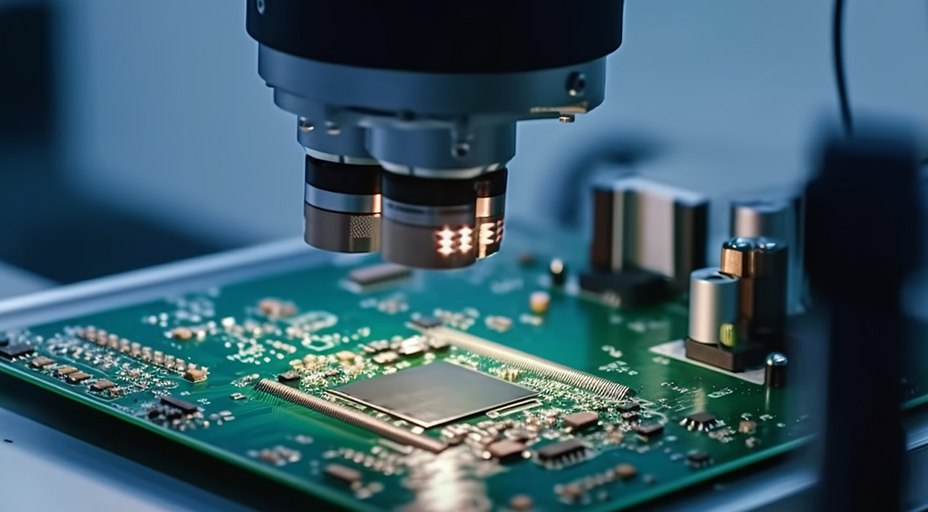
1. Reduce Defect Rate: Control the defect rate during the production process (such as PCBA soldering defects, finished product functional defects) within the preset target, reducing rework and scrap costs;
2. Stabilize Product Quality: Ensure consistent product quality in mass production, avoiding batch quality issues;
3. Meet Customer Needs: Product quality meets customer-agreed standards, improving customer satisfaction and loyalty;
4. Achieve Compliance: Meet industry standards and market access requirements, mitigating compliance risks;
5. Continuously Improve Quality: Through closed-loop optimization, continuously improve system operating efficiency and product quality levels.